How Can Water System Design Improve My Water Quality?
Understanding how water system design impacts your water quality can help you make informed decisions for your health and well-being. In this guide, we'll explore the key elements of water system design that contribute to cleaner, safer water.
Identify Your Water Sources
Evaluating where your water comes from is the first step in improving its quality. Whether it's from surface water, groundwater, or alternative sources, knowing your supply is crucial.
When you understand your water sources, you can better assess their potential contaminants. For instance, surface water may be susceptible to pollutants from nearby agriculture or industrial sites, while groundwater often faces risks from soil contamination. Thus, the key is to know what you have and where it comes from.
In addition, it’s beneficial to regularly test your water quality. This could involve checking for common contaminants like bacteria, heavy metals, or nitrates. Identifying issues early can guide your decisions on further water system design improvements.
Sometimes, even rainwater harvesting can be an excellent option as a water source. It’s sustainable and, when properly filtered, can be high quality. By leveraging multiple sources, you can create a more resilient water system.
Assess Current System Infrastructure
Take stock of the existing water distribution systems, pipes, and treatment facilities. Assessing their condition can reveal areas needing upgrades or repairs.
A thorough inspection will help pinpoint leaks, corrosion, or pipe blockages that could be compromising water quality. Aging infrastructure can lead to contaminants entering the water, potentially endangering health.
Don’t shy away from seeking professional help for a comprehensive evaluation. Experts can utilize advanced technology to diagnose issues and recommend the most effective infrastructure enhancements.
Moreover, replacing outdated systems may seem expensive initially but can lead to significant cost savings in the long run. Efficient systems reduce wasted water and energy, and they often require less maintenance and repair.
Implement Effective Treatment Solutions
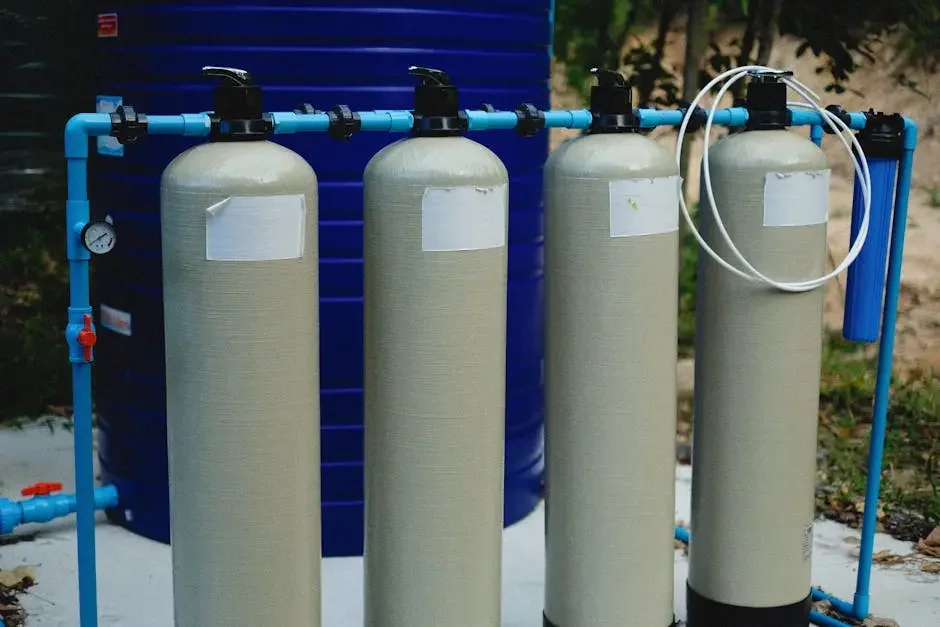
Consider water treatment options like filtration, chlorination, or UV disinfection to eliminate contaminants and improve the taste and safety of your water.
Filtration systems, for instance, can effectively remove sediment and chemicals. However, it’s essential to choose the right type based on your water quality analysis. A reverse osmosis system might be ideal if you have concerns about dissolved solids.
Additionally, chlorination can kill harmful pathogens, but it’s crucial to monitor chlorine levels to avoid health risks. Finding the right treatment method requires an understanding of the specific contaminants present in your water supply.
Innovative treatment technologies, such as advanced oxidation processes and biofiltration, can also provide compelling solutions to enhance water quality. Investing in the right technology can mean cleaner water for years to come.
Incorporate Smart Design Principles
Integrating smart technology and design principles can optimize water flow and energy use, reducing waste while improving overall quality.
Smart sensors can help monitor water quality in real-time, alerting you to any changes that might indicate contamination. In this way, proactive measures can be taken quickly, ensuring quality and safety.
Moreover, utilizing design principles like passive solar heating for water systems can improve energy efficiency. This sustainable approach not only conserves resources but also enhances the overall environmental impact of your water system.
With the rise of IoT (Internet of Things), more homeowners and businesses are embracing smart water management systems. The data collected aids in making more informed decisions around usage and maintenance to keep water quality consistently high.
Regular Maintenance and Monitoring
Establish a routine for maintaining and monitoring your water system. Regular checks and updates can help you catch potential issues before they impact water quality.
Maintenance practices like descaling systems and replacing filters not only extend the life of your treatment solutions but ensure the water remains clean. Therefore, it’s advisable to schedule these tasks frequently.
Incorporating a log for maintenance activities can also track system performance over time, aiding in the detection of anomalies. If a spike in contaminants is recorded, having a history can help trace the issue back to its source.
Ultimately, consistency is key. Like any system, your water quality management will thrive with routine care, which leads to better outcomes for your health and peace of mind.
Final Thoughts on Water System Design and Quality
By implementing effective water system design principles, you can significantly enhance your water quality. Regular assessment and updates are vital to ensure sustainability and compliance with safety standards.