10 Essentials for Successful Commercial Well Drilling Projects
Successful commercial well drilling projects require careful planning and execution. Whether you're tackling a small-scale operation or a large municipal well system, understanding the essentials can help ensure a smooth process and optimal results. Here’s a helpful guide to the must-haves for your next drilling project.
1. Thorough Site Assessment
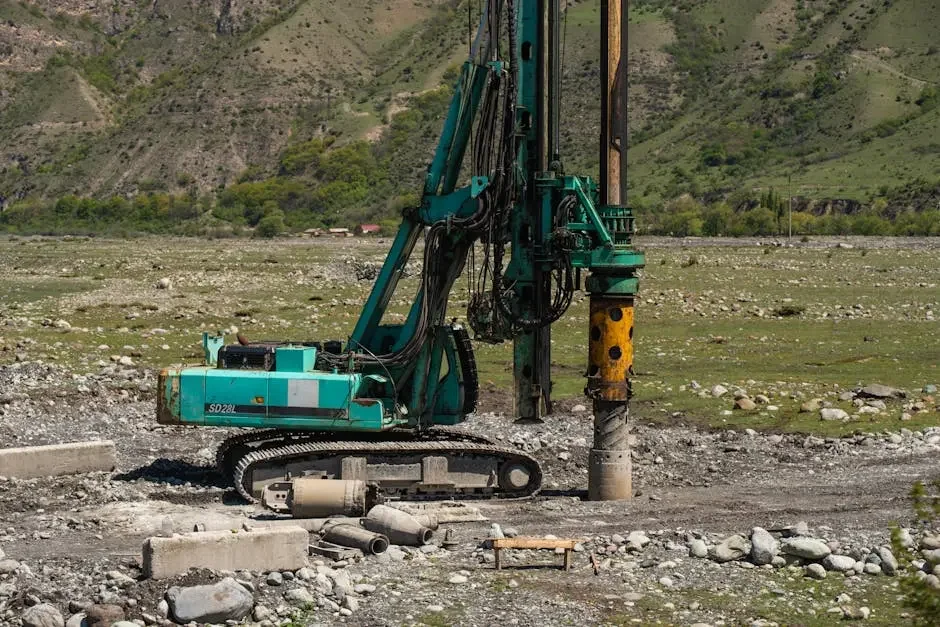
Understanding the geological and environmental characteristics of the drilling site is vital. A thorough site assessment helps identify potential challenges and ensures suitable drilling conditions.
Moreover, evaluating water quality and availability can dictate the feasibility of your drilling project. Engaging with hydrologists or geological engineers can provide invaluable insights, making sure you choose the right location.
It's essential to also consider the surrounding ecosystem. A comprehensive environmental impact assessment can not only help in avoiding future conflicts but also promote community trust and support.
2. Expert Drilling Team
Having a skilled and experienced drilling team can make all the difference. Look for professionals who are well-versed in commercial well drilling practices to guide the project.
Additionally, consider the benefits of a diverse team. Different backgrounds can bring innovative solutions to the table, helping to tackle unforeseen challenges as they arise.
An effective crew doesn't just drill; they bring dedication and precision that can save time and resources. Investing in talent pays off significantly in the long run.
3. Appropriate Equipment Selection
Using the right equipment tailored for your project’s specific needs can enhance efficiency and reduce downtime. Invest in reliable machinery to achieve the best results.
Not only should the equipment be suitable for the drilling environment, but it should also meet the scale of the project. From drill bits to rigs, each piece plays a part in your success.
Regular maintenance protocols are also necessary to prevent unexpected breakdowns and costly delays. Equipment failures not only set back deadlines but can also compromise team safety.
4. Permits and Regulations Adherence
Navigating local regulations and obtaining the necessary permits should be prioritized. Compliance avoids legal issues and fosters good community relations.
It can be helpful to consult with legal experts who specialize in commercial well drilling regulations to ensure no detail is overlooked. Understanding the local laws not only ensures safety but also efficiency.
Timely permit acquisition can mean the difference between completing your project on schedule or facing setbacks. Be proactive and keep continuous lines of communication open with regulatory bodies.
5. Safety Protocol Implementation
Implementing safety protocols is non-negotiable. Regular training and adherence to safety guidelines protect your team and the environment throughout the drilling process.
From personal protective equipment to emergency response plans, every detail matters. Proactive safety measures can prevent accidents and encourage a culture of safety among employees.
Remember, an experienced team is one that prioritizes safety as much as they do efficiency. Creating a safe work environment ensures that everyone's focus can remain on the task at hand.
6. Effective Communication Strategies
Open lines of communication between all stakeholders—engineers, operators, and clients—ensure everyone is on the same page, facilitating smoother operations.
Utilize modern communication tools to enable real-time updates and feedback. Setting regular check-ins can also clarify expectations and keep the project moving seamlessly.
Lastly, fostering a culture of transparency within your team can lead to quicker problem-solving and innovation, as employees feel empowered to voice concerns or suggestions.
7. Project Timeline Management
Establishing a realistic timeline and sticking to it is essential for project momentum. Regularly monitor progress to keep the project on track and within budget.
Using project management software can help in visualizing milestones and deadlines, ensuring every team member understands their responsibilities.
Don't hesitate to adjust timelines as necessary; unforeseen circumstances may arise. Flexibility combined with strong planning is key to navigating project challenges effectively.
8. Sustainable Practices Integration
Incorporate sustainable practices into your drilling projects to minimize environmental impact. This not only benefits the ecosystem but also improves public perception.
Consider implementing strategies like water recycling and eco-friendly chemicals to demonstrate commitment to sustainability. Many communities highly value and support projects that protect their natural resources.
Ultimately, integrating sustainability into your operations isn't just good for the planet; it's advantageous for your project's long-term viability and reputation.
9. Post-Drilling Evaluation
Once the drilling is complete, conduct a thorough evaluation of the project. Assessing outcomes and lessons learned can improve future drilling operations.
Gathering feedback from all stakeholders involved can provide a multifaceted view of what worked and what didn’t. This collaborative reflection can yield insights that may otherwise be missed.
Create a report outlining successes and areas for improvement. Such documentation ensures knowledge transfer and prepares your team for the next venture with heightened expertise.
10. Continuous Improvement Focus
Lastly, always strive for continuous improvement. Gather feedback and implement changes to further enhance the efficiency and effectiveness of future projects.
Creating an environment that encourages learning, adaptation, and growth is crucial. Regular workshops and team discussions can foster this culture and empower your team.
Investing in ongoing training and development ensures that your team stays ahead of industry trends and technological advances, positioning your projects for success long into the future.