What Are Common Well Pump Repairs and How Can They Be Prevented?
Well pumps are essential for accessing groundwater, but they can experience various issues over time. Understanding common well pump repairs and prevention strategies is crucial for ensuring your system runs smoothly and efficiently. In this guide, we’ll explore some frequent problems and provide tips on how to prevent them.
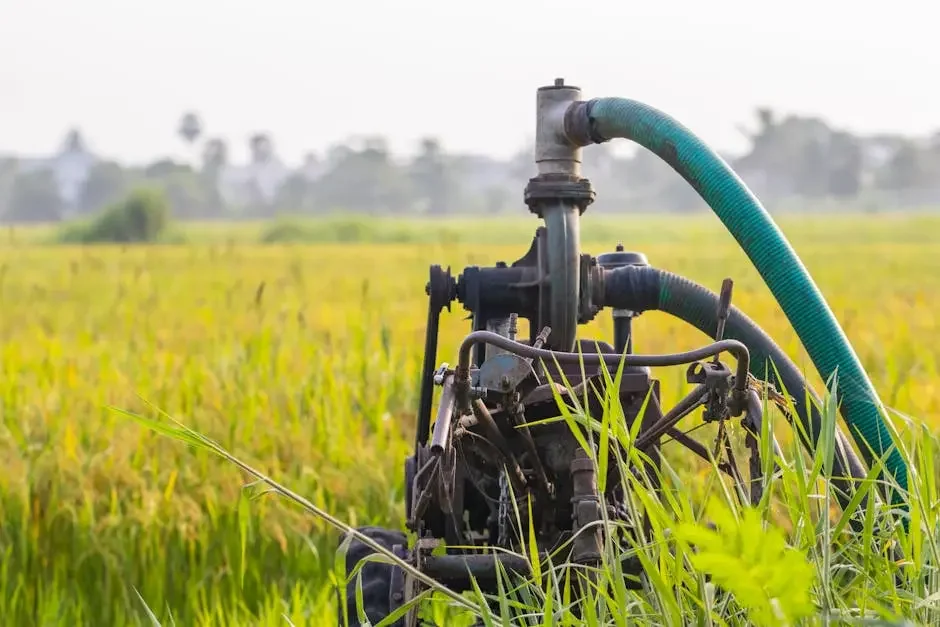
Identifying Common Well Pump Issues
Learn about the typical problems that arise with well pumps, such as reduced water flow, unusual noises, or complete failure.
When your water pressure drops unexpectedly, it can be frustrating. Often, this signals an issue with the well pump, be it a clogged filter or a malfunctioning pressure switch. Identifying these problems early can save you from complete breakdowns.
Unusual noises, such as grinding or rattling, can indicate that your pump is struggling or that there’s debris interfering with its functioning. Don’t ignore these sounds; they often precede serious issues requiring immediate attention.
Another alarm bell is when the pump runs incessantly or cycles on and off frequently. This can be due to fault connectors, leaks in the system, or issues with the pressure tank. All these symptoms warrant a closer inspection.
Understanding the Causes of Pump Failures
Explore the various factors that lead to pump failures, including wear and tear, poor maintenance, and environmental conditions.
Over time, well pumps undergo significant wear and tear, much like any mechanical equipment. Heavy usage can cause components to degrade, which is why routine inspections are vital. Skipping these can result in preventable breakdowns.
Environmental factors play a crucial role too. For example, extreme temperatures can affect pump performance. A well pump operating in frigid conditions may freeze, while excessive heat can cause components to warp or fail.
Moreover, improper installation or using a pump that's not suited for your water table can lead to premature failures. If you notice persistent problems, consulting with a professional can help pinpoint the cause of the issues.
Effective Repair Solutions for Common Issues
>Discover practical solutions to commonly encountered problems, helping you tackle repairs efficiently and effectively.
For reduced water flow, consider checking your pump system for blockages. Cleaning or replacing your filter can often remedy the issue. In some cases, it may be necessary to replace the entire pump if repairs aren't feasible.
If you hear strange noises, a detailed inspection is key. It’s best to shut down the system and examine it for any signs of physical damage or debris. Many times, a simple cleaning or adjustment resolves the sound issues.
For pumps that constantly run, check the pressure tank for issues. Inadequate pressurization often stems from either a faulty switch or an air leak. Resolving these can reduce energy consumption and extend the pump’s lifespan.
Finally, it’s wise to keep a toolbox handy with essential tools and spare parts. Having quick-access components can make minor repairs more convenient, saving you from larger, costly replacements in the future.
Preventive Measures for Longevity
Implement best practices for the maintenance and care of your well pump to prevent future repairs and prolong its lifespan.
Regular maintenance is your best friend when it comes to well pumps. Consider scheduling annual professional inspections. They can identify early signs of wear that might not be visible to the untrained eye, allowing for timely repairs.
It's also beneficial to keep your well area clear of debris. Nature has a way of reclaiming spaces, and leaves, dirt, and other material can find their way into the system, causing potential blockages. A clean environment promotes better performance.
Moreover, consider installing water treatment systems if your water quality is questionable. Harsh minerals can lead to scaling, which can damage pumps over time. Protect your investment by maintaining the quality of the water drawn from your well.
Lastly, educating yourself about your particular well system can empower you to take charge of maintenance. Familiarize yourself with your pump's specifications and any unique factors affecting its operation, ensuring you catch issues before they escalate.
Keep Your Well Pump in Top Shape!
Taking proactive measures to maintain your well pump can save you time and money in the long run. By understanding common repairs and their preventative strategies, you can keep your well water flowing without interruption.