

Understanding the Basics of Well Pump Repairs
Well pumps are essential for providing water in many homes, especially those relying on private wells. However, like any machinery, they can experience issues that require repairs. In this blog, we'll explore the basics of well pump repairs, breaking down the process into easy-to-understand sections. Whether you're a homeowner or just curious about how well pumps work, this guide will help you navigate the world of well pump maintenance and repairs.
What is a Well Pump?
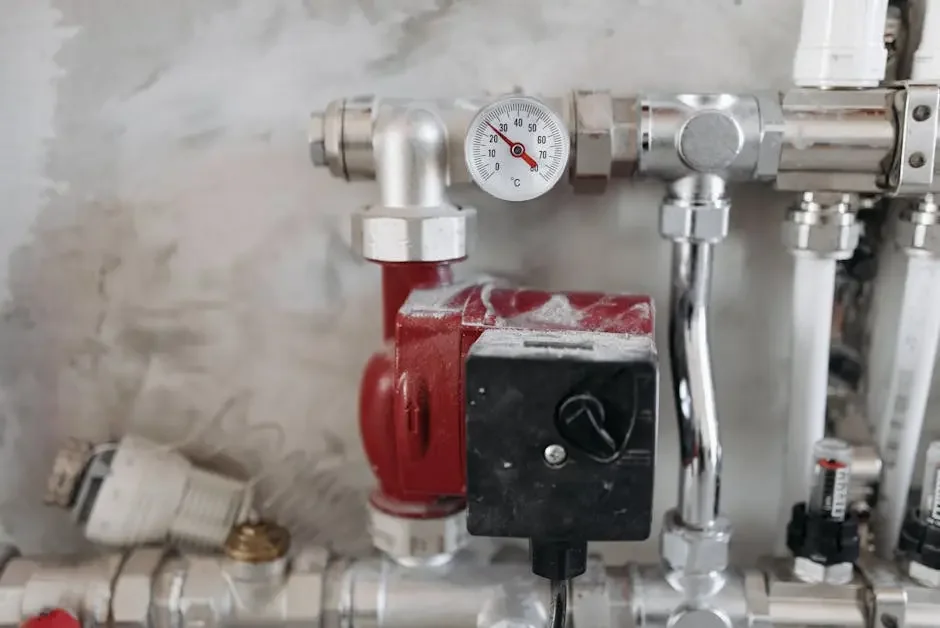
A well pump is a mechanical device designed to draw water from underground aquifers into your home. Understanding its function is the first step toward effective maintenance and repairs.
Essentially, well pumps come in two main types: submersible and jet pumps. Submersible pumps are placed deep in the well itself, which allows them to push water to the surface. On the other hand, jet pumps are situated above ground and work by creating a vacuum to pull water up. Knowing which type you have is vital because it informs the repair process. Every pump has specific requirements and potential failure points you should be aware of.
Having a grasp of how your well pump operates can make a world of difference when you encounter issues. For instance, troubleshooting poor performance becomes much simpler when you can identify whether the problem lies in the pump itself or in the plumbing that connects it to your home. So, it's worth spending a little time to familiarize yourself with your well pump's components and functions.
Common Issues with Well Pumps
Just like any other device, well pumps can encounter a range of problems. Some common issues include lack of water, unusual noises, and decreased water pressure. Recognizing these signs early can save you time and money.
For example, if you notice that your faucet is sputtering or there's a drop in water pressure, it could indicate a problem with the pump or a blockage in the pipes. Unusual noises, like grinding or vibrating, are often red flags that shouldn't be ignored. These sounds usually signal wear and tear or misalignment within the pump. Addressing these signs promptly can prevent minor issues from escalating into costly repairs.
Many homeowners overlook small but significant clues that suggest something isn't quite right with their well pumps. Frequent cycling of the pump, which happens when it turns on and off more than usual, could mean problems with the pressure tank or the pump itself. Even changes in water clarity can signal underlying issues. Thus, staying alert to these signs ensures your well pump operates effectively and extends its lifespan.
How to Troubleshoot Your Well Pump
Before calling a professional, try troubleshooting your well pump. Simple checks, such as inspecting the power supply, pressure tank, and circuit breaker, can help you identify the problem more easily.
Start with the power source: ensure all switches are in the 'on' position and that you've checked for blown fuses or tripped breakers. If the pump isn't receiving power, there's no way for it to function. Next, take a closer look at the pressure tank; this component should have a pressure reading within an optimal range. If it's too low or too high, it may affect your pump's efficiency.
While troubleshooting, always remember to keep safety in mind. If you're not comfortable working with electrical equipment, it’s best to consult with a professional. However, if you feel confident, check the wiring and connections for any signs of damage. Sometimes, all it takes to restore functionality is tightening a loose connection or replacing a frayed wire.
When to Call for Professional Help
Some problems require expert knowledge and tools to resolve. If you've tried basic troubleshooting and the issue persists, it's wise to contact a professional well pump technician for a thorough inspection and repair.
Serious issues, such as complete pump failure or contaminated water supply, should never be handled alone. A trained technician can diagnose problems that might not be apparent and offer solutions that extend the life of your well pump. They'll also have access to specialized tools and parts that you won’t find in your typical hardware store.
Furthermore, attempting repairs without the right expertise can inadvertently lead to further damage or safety hazards. Thus, if you're in doubt—and especially if you encounter complex electrical issues—don’t hesitate to make that call. It’s always better to invest in a professional solution than to risk more serious complications.
Preventative Maintenance Tips
To extend the life of your well pump, regular maintenance is essential. This includes periodic inspection, cleaning, and testing water quality to ensure your system operates smoothly.
A proactive approach can save you money in the long run. Regularly check for signs of wear, such as leaks or rust, and don’t ignore small repairs that crop up. Simple tasks, like changing the pressure tank's air filter or cleaning the intake screen, can go a long way in maintaining your pump's efficiency.
Additionally, it’s wise to schedule an annual professional inspection. This allows experts to identify potential problems before they escalate. They can perform tasks such as recalibrating the pressure switch and flushing the water system, which can significantly contribute to the longevity of your well pump.
Final Thoughts on Well Pump Maintenance
Well pump repairs may seem daunting at first, but with a little knowledge and the right approach, you can tackle many issues with confidence. Understanding how your well pump works and knowing the common signs of trouble will make you better prepared to manage repairs when needed. Start with the basics, and don't hesitate to seek professional help for more complex problems. Keeping your well pump in good working order ensures a reliable water supply for your home.