15 Tips for Maintaining Your Solar Water Pumping System
Maintaining your solar water pumping system is crucial for ensuring its longevity and efficiency. With proper care, you can enjoy the benefits of sustainable water supply for years to come. Whether you're a seasoned pro or new to solar technology, these tips will help you keep your system in top shape.
1. Understand Your System Components
Familiarize yourself with each part of your solar water pumping system. Knowledge of components like the solar panel, pump, and controllers will help you troubleshoot issues effectively.
Take the time to learn how each component works together. For instance, understanding how the solar panel converts sunlight into electricity enables you to appreciate its vital role in the system. Once you grasp these connections, diagnosing problems becomes much easier.
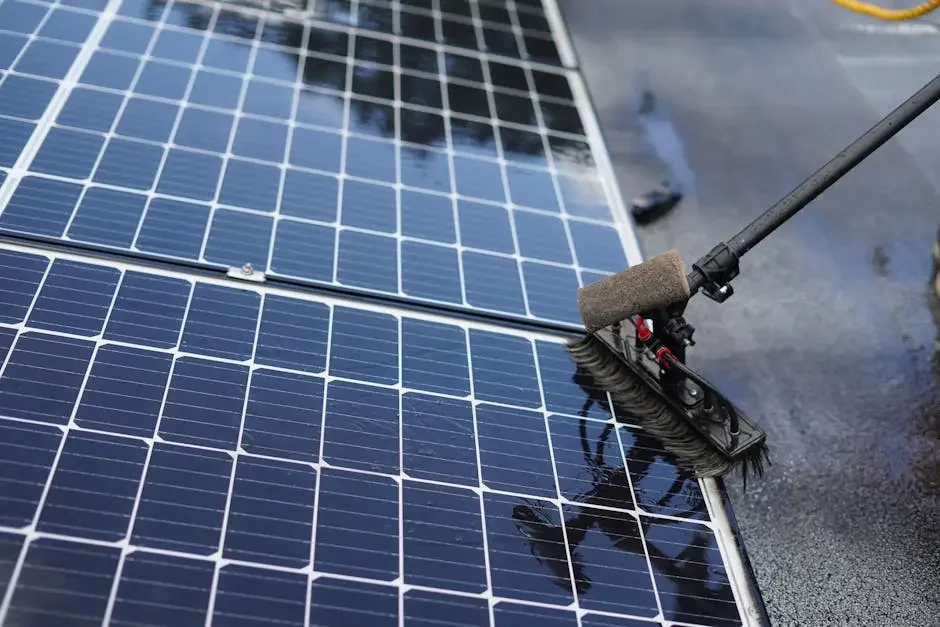
2. Regularly Clean Solar Panels
Dust, leaves, and debris can reduce your solar panels’ efficiency. Schedule routine cleaning to maximize sunlight exposure and maintain system performance.
Imagine the difference a clean panel can make; it’s like giving your system a breath of fresh air! A good rule of thumb is to check your panels every couple of weeks, especially after heavy rains or wind storms. Remember, a little dirt can mean missed energy potential!
3. Inspect for Damage Frequently
Check for any signs of wear or damage in your system's components. Early identification of issues can prevent bigger, more costly repairs down the line.
Look for cracks in the solar panels or signs of corrosion on metal parts. It’s worth dedicating some time each month to do this; a small crack can compromise your entire system. By catching these issues early, you are ensuring a smoother operation overall.
4. Ensure Proper Water Level
Keep an eye on water levels in the tank. Too low or too high can affect the pump's operation. Make adjustments to ensure optimal performance.
Monitoring water levels not only helps your pump work at its best but also prevents strain that could lead to system failure. You can install a float switch to automate this and keep things running smoothly without constant checks!
5. Check Electrical Connections
Loose or corroded connections can hinder system efficiency. Regularly inspect and tighten electrical connections to ensure a reliable power supply.
It's an easy step that often gets overlooked. Just a few minutes spent checking connections can make a significant difference. Remember to turn off the system before doing this to avoid any hazards.
6. Monitor Pump Functionality
Listen for unusual noises from the pump, and observe if there are any drops in water flow. Addressing these symptoms quickly can maintain the system's effectiveness.
Regular monitoring can save you from major problems. If you notice any change in sound or performance, don’t hesitate to investigate. Often, it's a minor adjustment that can restore everything back to normal!
7. Adjust Pump Settings According to Seasons
Different seasons can affect water availability and solar energy. Adapt settings for optimal operation during varying conditions.
For instance, during dry spells you may want to conserve water and adjust the system to work at lower capacity. In contrast, during sunnier times you could increase flow rates. This flexibility can help you utilize resources more efficiently!
8. Utilize a Water Filter
Incorporating a filter can prevent debris from entering the pump. Regularly check and replace filters as necessary to keep your system running smoothly.
Having a high-quality filter in place means less maintenance for you, as it protects the pump from potential damage. Just remember: a clogged filter can lead to a myriad of issues, so make it a part of your regular checklist!
9. Prepare for Extreme Weather
Take preventive measures to protect your system during storms or extreme temperatures, ensuring that it remains functional regardless of weather conditions.
Consider using protective coverings or stabilizing mounts for your panels. You’ll be glad you did when storms roll in. Preparing your system can save you a lot of time and money in the long run.
10. Stay Updated with Technology Advancements
Keep an eye on the latest in solar technology. Upgrading components can improve efficiency and prolong the life of your system.
Investing in advancements such as smarter controllers or battery storage can greatly enhance your setup. Following industry news and trends equips you with the knowledge to make informed decisions about your system.
11. Seek Professional Help When Needed
If issues arise that you're unable to fix, don’t hesitate to call a professional. Timely expert help can save you from further complications.
Sometimes, bringing in an expert can not only resolve potential issues but also provide you with valuable insights about optimization. Consider it an investment in peace of mind along with your system's performance.
12. Maintain a Log of Maintenance
Keeping a record of all maintenance activities can provide insights into the system's performance and help diagnose future issues.
A well-maintained log can help you identify patterns or recurring issues, making your life a lot simpler when it comes to troubleshooting. Plus, it’s a great way to track your investment and ensure all necessary tasks are being completed.
13. Educate Yourself About Solar Energy
The more you know about solar energy and water pumping systems, the better you'll be at managing maintenance and troubleshooting.
Take advantage of online resources, community workshops, or even local classes. Knowledge is power, and understanding the intricacies of your system will make you far more adept at handling it.
14. Connect with the Community
Engage with others who have solar water pumping systems. Sharing experiences and tips can provide valuable information for your maintenance routine.
Local forums or online communities can be gold mines of knowledge. By connecting with fellow solar enthusiasts, you can gain insights that help enhance your system's performance while also forming valuable relationships.
15. Emphasize Sustainability in Your Practices
Always strive to utilize sustainable practices in maintaining your system, which not only benefits you but also supports a healthier environment.
Consider the impact of your maintenance supplies; opting for eco-friendly options can create a positive ripple effect. By making sustainable choices, you contribute to a brighter future while keeping your system in top condition.