

Solar Water Pumping: A Sustainable Solution for Rural Areas
In many rural areas, access to clean water is a persistent challenge. Traditional methods of water sourcing often fall short, putting strain on communities and their resources. Thankfully, solar water pumping offers a beacon of hope. This blog will dive into the transformative impact of solar water pumping systems, exploring how they work, their benefits, and their potential to empower rural areas sustainably.
Understanding Solar Water Pumping Systems
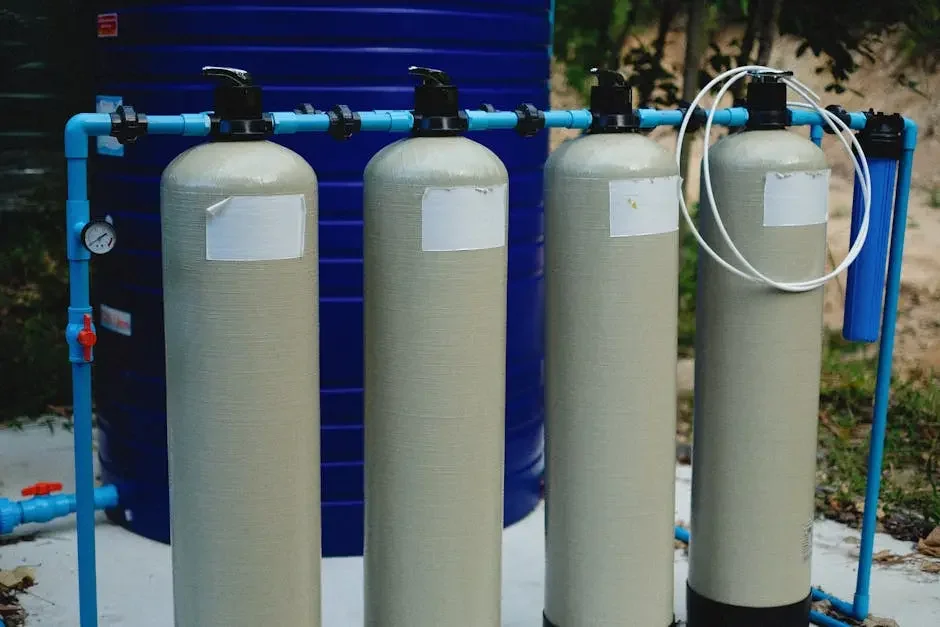
Solar water pumping systems are designed to convert sunlight into energy that pumps water from various sources. This section will explore the key components of these systems, including solar panels, pumps, and controllers, and how they work together to create a reliable water supply.
Let's break it down: solar panels absorb sunlight and convert it into electrical energy. This energy powers the pump, which then draws water from a well, river, or other water sources. The controller plays a crucial role by regulating the system’s operations, ensuring that the pump functions efficiently based on the amount of sunlight available.
Additionally, solar water pumping systems come in various designs and sizes, making them adaptable to different environments and needs. For communities located in areas with abundant sunlight but limited infrastructure, these systems can be game-changers. By delivering a consistent water supply, they help reduce the arduous task of fetching water that many rural women and children face daily.
The beauty of these systems lies not only in their efficiency but also in their environmental friendliness. With no reliance on fossil fuels, solar water pumping minimizes carbon emissions, making it a sustainable choice for the planet. As we aim for a greener future, incorporating these systems can significantly impact community resilience.
Benefits of Solar Water Pumping for Rural Communities
Solar water pumping brings numerous advantages to rural communities, such as reduced dependence on diesel fuel, lowered operational costs, and minimal maintenance requirements. This section will delve into how these benefits can improve the quality of life in rural areas.
One major advantage is the decrease in operational costs. Traditional systems often incur high fuel costs and require regular repairs. With solar water pumps, once installed, maintenance needs are minimal, allowing communities to redirect funds towards other essential services like education or healthcare. Moreover, the savings on fuel alone can significantly boost local economies.
Furthermore, solar-powered systems are less susceptible to the supply chain disruptions experienced by diesel-powered pumps. If fuel prices rise or if there are shortages, communities with solar water pumps are shielded from such fluctuations, ensuring their access to water remains stable and reliable throughout the year.
Another important aspect is the empowerment of women and children. With efficient water delivery systems in place, fewer hours are spent walking long distances to fetch water. This benefits families by providing more time for education and income-generating activities, ultimately fostering community development.
Case Studies: Success Stories from Around the World
To illustrate the effectiveness of solar water pumping, this section will highlight various case studies from around the globe. By showcasing successful implementations, we will reveal how communities have transformed their water access through sustainable solar solutions.
In India, for instance, a village in Rajasthan implemented a solar water pumping system that successfully provided irrigation for local farmers. The results were remarkable. Farmers reported increased crop yields due to better access to water, which in turn improved food security for their families and the community at large.
Similarly, a remote community in Kenya benefited from a solar water pump by reducing water collection times significantly. Women, who traditionally spent the most time fetching water, now have three extra hours a day to dedicate to education and income-generating projects, breaking the cycle of poverty.
These success stories illustrate that the adoption of solar water pumping systems can lead to broader transformations in rural communities, fostering not only improved water access but also educational and economic advancements.
Challenges and Considerations
While solar water pumping presents many benefits, there are also challenges to consider. This section will address issues such as upfront costs, installation challenges, and the importance of training local technicians to ensure these systems operate effectively.
The initial investment can be a significant hurdle for many rural communities. Although the long-term savings are notable, the upfront costs for solar panels, pumps, and installation can be daunting. It's crucial for stakeholders to explore funding options, grants, or partnerships with organizations that focus on sustainable energy solutions.
Installation can also present challenges. In some areas, getting the necessary materials to remote locations can be tough, and finding skilled labor for installation might be an issue. Collaborating with non-profits or government agencies that specialize in rural development can help bridge these gaps.
Moreover, once the systems are installed, maintaining them requires local expertise. Training local technicians ensures that communities can perform regular maintenance and repairs. This training is vital for the long-term success of solar water pumping systems, as it empowers communities to take ownership of their project.
The Future of Water Accessibility
Looking ahead, solar water pumping holds promise for expanding water accessibility in even the most remote regions. This section will discuss the potential for technological advancements, policy support, and community involvement in maximizing the impact of solar water pumping systems.
Technological advancements in solar energy are continually improving the efficiency and affordability of solar water pumps. Innovations in battery storage, for instance, will allow these systems to operate around the clock, ensuring communities have access to water even during overcast weather or at night. This would further enhance reliability and access.
Policy support is another essential factor. Governments and institutions need to recognize the importance of sustainable water solutions and prioritize investments in solar water pumping technologies, creating incentives for its adoption. With proper support, the scaling of these systems can provide a broader impact.
Community involvement is crucial for ensuring the success of solar water pumping projects. Engaging local residents not only fosters ownership but also raises awareness about the importance of sustainable practices. By working together, communities can advocate for the resources and support needed to implement and maintain these systems effectively.
Embracing the Future of Water Access
As we move towards a more sustainable future, solar water pumping systems present an innovative solution to the water access challenges faced by rural areas. By harnessing the power of the sun, we can provide clean water to those in need while promoting environmental stewardship. It’s time to embrace this technology for a brighter, more sustainable tomorrow.