12 Common Misconceptions about Water Purification Systems and the Truth Behind Them
Water purification systems are essential for ensuring we have access to clean and safe drinking water. However, there are many misconceptions surrounding these systems that can lead to confusion and misinformation. In this article, we will debunk twelve common myths about water purification systems, shedding light on the truths that every consumer should know.
1. All Water Purification Systems Are the Same
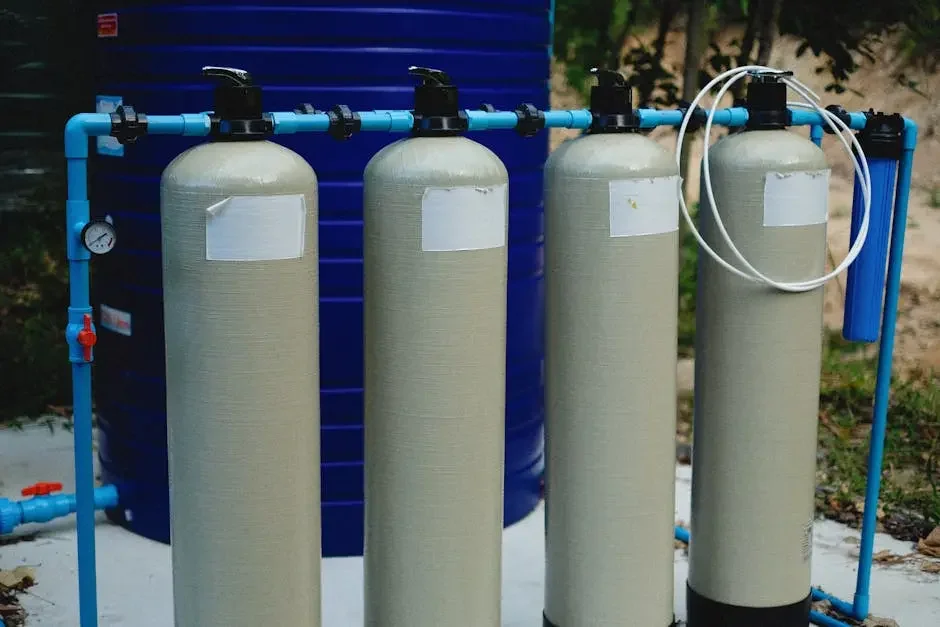
Many people think that all water purification systems work the same way, but different types employ various methods and technologies. Understanding these differences is crucial. For instance, some systems use activated carbon, while others rely on reverse osmosis or UV light. Each method has its strengths and weaknesses, tailored to specific contaminants. Therefore, a one-size-fits-all approach might not deliver the clean water you expect.
Moreover, the choice of a system might depend on factors such as the source of your water and your specific needs. Some households might benefit from multi-stage filtration systems, which combine several methods to achieve greater purity. The heart of the matter is that educating yourself about the options can significantly enhance water quality and health.
2. Boiling Water Is Enough for Purification
While boiling water is certainly an effective method for killing microorganisms, it falls short against various contaminants. Boiling kills bacteria and some viruses, making it a reliable option in emergencies. However, it doesn't remove chemicals, heavy metals, or sediments that may lurk in your supply. Let’s say you live near industrial areas; the potential for chemical contamination increases, thus boiling alone might not cut it.
Additionally, consider that boiling water can actually concentrate some pollutants if present, because the water evaporates while contaminants remain. Therefore, relying solely on boiling could give a false sense of security about your water's purity. Pairing boiling with a purification system gives a comprehensive approach to ensuring your water is genuinely safe for consumption.
3. Filtered Water Is Always Pure
Just because water is filtered doesn't mean it's free from all contaminants. In reality, a filter acts more like a net, catching some impurities while letting others pass through. Depending on the type of filter, you might remove chlorine and sediment, but other harmful substances could sneak by unnoticed. Regular maintenance and replacement of filters are essential for effective purification.
It's easy to assume that a simple filtration system guarantees pure drinking water, but this is a misconception that can lead to serious health risks. The key is to understand the filtration technology you’re using and ensure it's designed to remove the specific contaminants relevant to your water supply. A little research goes a long way in protecting your health!
4. Chemical Treatments Are Unnecessary
Many believe that chemical treatments are harmful and unnecessary, but they can be highly effective in eliminating specific contaminants when used correctly. For example, chlorine is frequently used in municipal systems to disinfect water. While some may raise concerns about its potential health risks, it's important to note that when used in appropriate concentrations, the benefits can far outweigh the drawbacks.
Additionally, advanced chemical treatments can target stubborn pollutants that mechanical filters might miss. Take chlorine dioxide, for instance; it can effectively neutralize bacteria and viruses without forming harmful byproducts like chlorine does. Thus, rather than outright dismissing chemical treatments, consumers should weigh the specific context and types of contaminants involved to make informed choices.
5. Reverse Osmosis Removes Minerals
While reverse osmosis (RO) does remove some beneficial minerals, many systems are designed to reintroduce essential minerals back into the water after purification. This way, you can enjoy the health benefits of minerals like calcium and magnesium without sacrificing water purity. It’s a bit of a balancing act, and the technology has evolved to ensure you don’t lose all that is good in the process.
Interestingly, some people might actually prefer the taste of water that has been mineralized after purification, finding it fresher compared to distilled water, which can taste flat. Ultimately, it’s about choosing the right system that aligns with your health needs while ensuring safe drinking water.
6. UV Purification Is Only for Emergencies
Ultraviolet (UV) purification is effective for regular use and not just emergencies. Many households are unaware that UV technology is a reliable method for destroying bacteria, viruses, and other pathogens in your water supply. Not only does it eliminate these harmful microorganisms, but it does so without adding any chemicals or changing the taste of the water.
UV purification can easily be integrated into different water purification systems. By utilizing this technology, you can have peace of mind knowing that your routine drinking water is getting an extra layer of protection from harmful contaminants. It’s not just for disaster preparation; it’s a proactive approach to daily hydration!
7. You Don't Need Purification for Tap Water
Despite regulations, tap water can still contain a variety of contaminants ranging from agricultural runoff to lead from aging pipes. While municipal water is treated, this doesn’t guarantee complete safety. Using a purification system can provide additional safety and peace of mind, especially for sensitive individuals like children, the elderly, or those with compromised immune systems.
Moreover, some city water supplies may be underreported for issues like contamination during natural disasters. Investing in a good purification system can serve as a buffer against unforeseen circumstances, ensuring that when you turn on the tap, you feel confident that your water is clean and safe. After all, it’s your health at stake!
8. All Purification System Brands Are Reliable
Not all brands meet the same standards for quality and effectiveness, leading to misconceptions about the reliability of systems available in the market. It’s crucial to research and choose a reputable brand that has been tested and validated by safety standards. Some brands might make lofty claims about their products but lack independent reviews or scientific backing.
Consumer reviews, certifications, and transparency regarding testing methodologies can help you make an informed choice. Remember that a trusted brand is more than just a label; it’s about reliability, safety, and performance. Taking the time to choose wisely can ultimately contribute to safer drinking water for you and your family.
9. Water Purification Systems Are Too Expensive
While some systems can be costly, there are affordable options that provide effective purification without breaking the bank. Investing in water purification should be viewed as an essential health choice rather than an expense. Some systems are designed to be budget-friendly and can deliver great results without compromising on quality.
Additionally, consider the long-term savings; using a purification system can cut down on bottled water purchases and help avoid health issues related to contaminated water down the line. Overall, weighing the initial investment against the potential benefits can reveal that having a home purification system might be easier on your wallet than you think!
10. You Can Set It and Forget It
Many users believe purification systems require no maintenance, but regular checks and filter replacements are necessary to ensure efficiency. Much like a car needs regular oil changes, your purification system benefits from routine upkeep. Neglecting this could lead to a decrease in effectiveness, making your water less safe over time.
The good news is that many systems now come equipped with indicators to remind you when it's time for maintenance. A little attention can go a long way in keeping your drinking water not just safe but delightful too. So, don’t fall into the trap of thinking it’s a fire-and-forget solution!
11. Bottled Water Is Safer Than Filtered Water
Bottled water isn't always safer or cleaner than filtered tap water. Although it might seem more convenient, environmental concerns and potential contaminants exist in both options. For one, plastic bottles can leach chemicals into the water, especially in hot conditions. Researchers have found that certain brands of bottled water can contain microplastics!
Additionally, bottled water is often just repurposed tap water that has undergone some filtration. Therefore, investing in a good quality filtration system at home can be a more responsible and sustainable alternative. You’ll enjoy the same convenience but with the benefit of knowing exactly how your water is purified, all while doing your part for the planet.
12. Purification is Only for Rural Areas
Water purification is beneficial in urban areas too. Pollution can affect city water supplies, making purification necessary even in densely populated areas. Urban water sources are susceptible to issues like runoff from roads, industrial contamination, and even airborne pollutants settling into water systems.
Ignoring the need for purification in these regions can be an oversight with serious consequences. Tapping into a home purification system can augment municipal efforts and provide a second line of defense against any risks posed by city water supplies. Ultimately, water purification is about safeguarding health, no matter where you live.